
What your tyre markings mean
Understanding the markings on your tires is essential for maintaining your vehicle’s safety and performance. These markings, often found on the sidewall of the tire, provide valuable information about the tire’s size, type, load capacity, speed rating, and other crucial details. Decoding these markings empowers you to make informed decisions when it comes to tire replacement, maintenance, and overall vehicle safety.
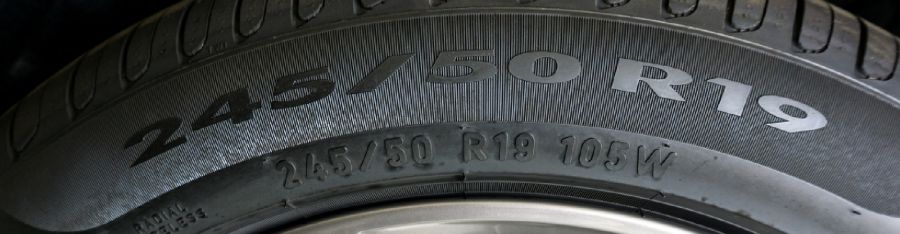
Tyre Size: The tire size is typically indicated in a format like “P215/65R15.” The “P” stands for passenger vehicle, while the number “215” represents the tire’s width in millimeters. The “65” is the aspect ratio, which indicates the tire’s height as a percentage of its width. “R” signifies radial construction, and “15” represents the diameter of the wheel in inches that the tire fits.
Load Index: The load index is a numerical value that denotes the tire’s maximum load-carrying capacity. This information is crucial to ensure that the tire can support the weight of your vehicle and any additional loads. The higher the load index number, the greater the load the tire can handle.
Speed Rating: The speed rating, represented by a letter (e.g., “H,” “V,” “W”), indicates the maximum speed at which the tire can safely operate. It’s important to match the speed rating of your tires to the speeds you typically drive to ensure optimal performance and safety.
Treadwear Rating: The treadwear rating provides an estimate of the tire’s longevity compared to a reference tire. A higher treadwear rating suggests that the tire is expected to last longer, while a lower rating indicates a tire with shorter lifespan.
Traction and Temperature Ratings: These ratings provide information about the tire’s ability to grip the road in wet conditions (traction) and its resistance to heat buildup (temperature). These factors influence the tire’s performance in different weather conditions and at various speeds.
Maximum Inflation Pressure: This marking indicates the maximum air pressure the tire can handle safely. Overinflating or underinflating a tire can lead to poor performance, reduced fuel efficiency, and even tire failure, so it’s crucial to adhere to the recommended pressure.
UTQG Rating: The Uniform Tire Quality Grade (UTQG) rating provides information about the tire’s performance in terms of treadwear, traction, and temperature. This rating system helps consumers compare different tire models.
Run-Flat Technology: Some tires come with run-flat technology, indicated by acronyms like “RF” or “DSST.” These tires can be driven for a limited distance even after experiencing a puncture, allowing you to reach a service centre safely.
Understanding these markings empowers you to choose the right tires for your vehicle, maintain them properly, and make informed decisions when it’s time for replacement. Regularly checking your tires for wear, proper inflation, and damage, along with heeding the information provided by the markings, ensures that your vehicle operates safely and efficiently on the road.


Copyright • Tyre Response 24/7 | Built By BWAR!